
How to Tune a Guitar Accurately: From Guitar Tuners to Training Your Ear
Let’s be honest: a guitar that’s out of tune can ruin your mood fast. The good news is tuning doesn’t have to be complicated or intimidating. Whether you’re just starting out or trying to trust your ears more, this guide will walk you through it in a simple, low-pressure way. We’ll start with guitar tuners (the easy and reliable way), then move into tuning by ear once you’ve had some practice.
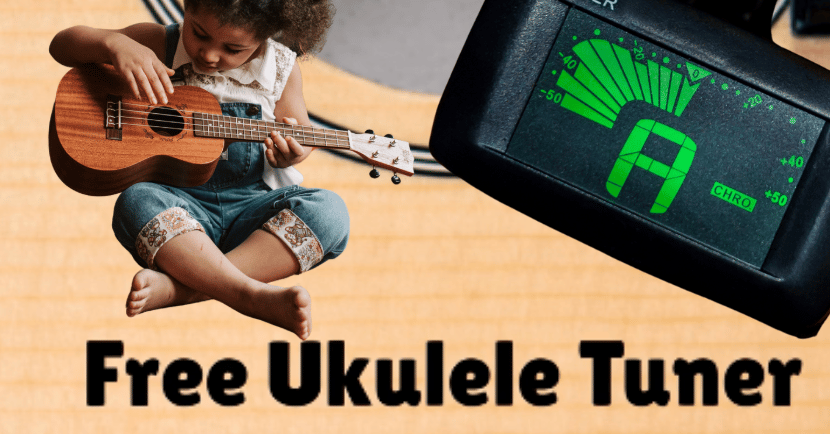

Tuning your guitar correctly is one of the most important skills a guitarist can learn. A perfectly played song will still sound wrong if the guitar is out of tune. The good news? Tuning isn’t hard, and with practice you can even learn to do it by ear.
This guide will walk you through two stages:
Tuning accurately using a guitar tuner
Learning to memorize pitch and tune by ear over time
Part 1: Tuning Your Guitar Accurately with a Guitar Tuner
Why Use a Tuner?
Guitar tuners are the fastest and most accurate way to tune, especially for beginners. They help you train your ear by showing whether a string is too high (sharp) or too low (flat).
Standard Guitar Tuning
Most guitars use standard tuning, from the thickest string to the thinnest:
E – A – D – G – B – E
Types of Guitar Tuners
Clip-on tuners – Attach to the headstock and detect vibrations
Pedal tuners – Used mostly by electric guitarists
App tuners – Convenient and great for practice
Built-in tuners – Found on some acoustic-electric guitars
Step-by-Step: How to Tune with a Tuner
Turn on your tuner and set it to chromatic or guitar mode
Play one open string at a time
Watch the tuner display:
Needle left = flat (tighten the string)
Needle right = sharp (loosen the string)
Adjust the tuning peg slowly until the needle centers or the light turns green
Repeat for all six strings
Re-check tuning after all strings are adjusted (strings affect each other)
Tip: Always tune up to the note. If you go too high, loosen below the note and tune back up.
Part 2: Learning to Tune by Ear (With Practice)
Once you’re comfortable using a tuner, you can start developing your ear. This doesn’t replace tuners—it builds musical awareness and confidence.
Why Learn to Tune by Ear?
Improves pitch recognition
Helps you notice when something sounds “off”
Useful when a tuner isn’t available
Strengthens overall musicianship
Step 1: Use a Reference Pitch
Start with one string tuned correctly using a tuner (usually the low E or A string).
Step 2: Tune Using the 5th Fret Method
5th fret on E string = open A string
5th fret on A = open D
5th fret on D = open G
4th fret on G = open B
5th fret on B = open high E
Play the fretted note and the open string together. Adjust until the notes sound the same with no “wobbling” or beating.
Step 3: Listen for Beating
When strings are slightly out of tune, you’ll hear a pulsing or “wah-wah” sound. As the notes match, this pulsing disappears.
Step 4: Memorize the Sound
Play each open string often
Hum the note before playing it
Compare your ear tuning with a tuner afterward
Over time, your brain starts to recognize the pitch automatically.
Practice Tips for Better Ear Tuning
Tune by ear after using a tuner, not before
Practice daily, even for just a few minutes
Tune slowly and carefully
Check chords after tuning—if chords sound good, you’re close
Be patient—ear training takes time
Final Thoughts
Using a guitar tuner gives you accuracy and consistency, while tuning by ear builds musical skill and confidence. The best guitarists use both. Start with a tuner, practice listening carefully, and over time you’ll be amazed at how much your ear improves.
In tune guitar = better sound, better practice, and more enjoyable playing 🎸